 $$
$$ $$
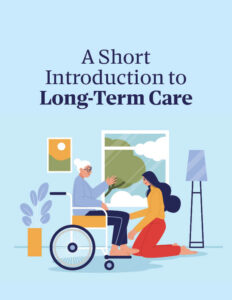
$$A long-term care event rarely affects just one part of retirement. It can change household income, investment withdrawals, a spouse’s independence, and the legacy you hoped to leave. That is why learning how to plan long term care is not simply about buying insurance. It is about deciding how your family will preserve choice and financial stability if daily support is ever needed.
Most people want to remain at home for as long as possible. That preference should shape the plan from the beginning. A strong strategy accounts for care at home, adult day services, assisted living, memory care, and skilled nursing, while recognizing that needs and costs can change over time.
How to Plan Long Term Care Around Your Retirement Plan
Long-term care planning works best when it is coordinated with your entire retirement picture. Looking at a policy first, without considering income, taxes, liquidity, health, and family circumstances, can lead to coverage that is either insufficient or unnecessarily expensive.
At Advocate Life Group, we encourage a disciplined process: understand the full picture, apply an appropriate strategy, and revisit the plan as life changes. That approach matters because long-term care is not a one-size-fits-all decision.
Start with the risk, not the product
Long-term care refers to assistance with everyday activities such as bathing, dressing, eating, transferring, toileting, or managing cognitive decline. Medicare generally does not pay for ongoing custodial care, which is the kind of help many people need over an extended period. Short-term skilled care after a qualifying hospital stay is different from ongoing personal care.
The question is not whether care is possible. The more useful questions are: What type of care would you prefer? How long could a spouse manage alone? What would a prolonged care need do to monthly income and savings?
A plan should also recognize that care is often not an all-or-nothing event. Someone may begin with a few hours of home assistance each week, then need more support later. Planning for flexibility can be as valuable as planning for a single large expense.
Estimate costs in the places you may live
Care costs differ substantially by state, city, and setting. Home health aides, assisted living communities, and nursing facilities each have distinct pricing structures. Memory care often carries an additional cost because of the level of supervision required.
Start by reviewing local care costs, then project what those costs may look like years from now. Inflation deserves special attention. A monthly cost that appears manageable today may be meaningfully higher when care is needed. Medical and care-related inflation do not always move in step with general inflation.
Avoid planning solely for an average cost. Consider a range of scenarios: limited home care for a short period, several years of assisted living, or care for one spouse while the other remains at home. The goal is not to predict the future perfectly. It is to identify the financial pressure points before they become urgent.
Identify Which Assets Must Be Protected
Once you understand the potential cost, determine where the money would come from. Some retirees can self-fund part or all of a long-term care need. Others may be better served by transferring a portion of the risk through insurance. Many families use a combination of both.
Begin with your dependable income sources, including Social Security, pensions, annuity income, and other recurring payments. Then look at liquid reserves, taxable investments, retirement accounts, real estate, and life insurance. Each source has a different purpose and a different consequence when used for care.
For example, drawing heavily from an investment portfolio during a market downturn can create lasting pressure on a retirement plan. Large distributions from tax-deferred accounts may increase taxable income and potentially affect other parts of your tax picture. Using all available cash for care can leave a healthy spouse without a comfortable emergency reserve.
The central question is simple: which assets are meant to provide lifetime income, and which assets could reasonably be used for care? Protecting a spouse’s ongoing income and housing should usually be a priority.
Set a realistic self-funding threshold
Self-funding is not the same as hoping investments will cover the cost. It means intentionally earmarking resources that could be used for care without endangering the survivor’s lifestyle.
A practical approach is to calculate how much of a care expense could be supported by existing guaranteed income, then measure the gap. You might decide to pay the first portion of care expenses from savings while using insurance for a larger or longer-lasting event. Alternatively, you may prefer greater protection for assets intended to support a spouse or heirs.
There is no universal threshold. A household with significant liquid assets, modest spending, and strong income may accept more risk than a couple whose assets are largely tied to retirement accounts and needed to produce income for two lives.
Compare Long-Term Care Funding Options Carefully
Traditional long-term care insurance can provide benefits specifically designed for qualifying care needs. Policies vary by daily or monthly benefit, benefit period, elimination period, inflation protection, available care settings, and underwriting requirements. Premiums may change in some cases, so it is wise to understand both current affordability and the possibility of future increases.
Hybrid life insurance or annuity-based solutions may provide a long-term care benefit while also offering a death benefit or other value if care is not needed. These solutions can appeal to people who are uncomfortable with the idea of paying premiums for a benefit they may never use. However, they often require a larger upfront commitment or may have different benefit structures than traditional coverage.
Some families choose to rely on personal savings, investments, home equity, or a carefully structured combination of resources. This approach preserves flexibility but leaves more of the financial risk with the household.
When comparing options, do not focus only on the headline benefit amount. Ask how benefits are triggered, whether home care is covered, how inflation protection works, what happens if premiums become difficult to pay, and whether the plan protects the healthy spouse’s income. A lower initial cost is not always the better value if the coverage fails to match the care you would actually choose.
Include Tax Planning and Liquidity
Long-term care expenses can have tax implications, and some qualifying insurance benefits may receive favorable tax treatment. The details depend on the policy, the type of care, your income, and current tax law. A coordinated approach can help prevent care expenses from creating avoidable tax strain.
Liquidity matters just as much. Care providers may require deposits, families may need to modify a home, and a spouse may face travel or caregiving expenses before benefits begin. Keep accessible funds for immediate needs rather than assuming every asset can be converted to cash quickly or without consequence.
This is also a good time to review beneficiary designations, powers of attorney, health care directives, and wills or trusts. Financial planning and legal preparation serve different roles, but they should work together. A well-funded plan can still be difficult to use if no one has the authority to act when decisions need to be made.
Have the Family Conversation Before a Crisis
Families often delay talking about long-term care because the subject feels personal or unsettling. Yet uncertainty can be far more difficult when a health event has already occurred.
Discuss preferences while everyone can participate. Would you prefer care at home if possible? Who should make financial and medical decisions if you cannot? Is a family member willing to help with coordination, and what support would they need? Adult children should not be expected to provide care simply because no plan was made.
These conversations do not require sharing every financial detail. They do require clarity about roles, wishes, and where important documents are kept. A thoughtful plan reduces the likelihood that a spouse or child will have to make high-stakes decisions under pressure.
Review the Plan as Health and Retirement Change
Long-term care planning should not be a single transaction. Health changes, retirement income evolves, policies may be updated, and family responsibilities can shift. Review the strategy at least annually and after major events such as retirement, widowhood, a move, a diagnosis, or a significant change in assets.
If you already own long-term care coverage, review the benefit amount, inflation feature, premium, carrier communications, and claims process. If your plan relies on self-funding, revisit whether the designated assets remain sufficient after withdrawals, market changes, or changes to spending needs.
The most valuable long-term care plan is one that gives your family options. Begin while you are healthy, financially flexible, and able to make decisions on your own terms. That preparation can help protect not only your retirement assets, but also the independence, dignity, and peace of mind you want retirement to provide.







 $$
$$