
A lot of retirement decisions can wait. Long-term care planning usually cannot.
If you are asking, do I need long term care insurance, you are already thinking about one of the biggest risks to a retirement plan. Not because everyone will need a nursing home, but because many people will need some form of ongoing help later in life, and that care can place real pressure on income, savings, and family.
This is not a decision to make based on fear. It is a decision to make based on what you want to protect, what level of risk you can absorb, and how much flexibility you want if your health changes.
Do I need long term care insurance, or can I self-fund?
That is the right question. Long-term care insurance is not automatically a good fit for everyone, and it is not the only way to plan for care. The real issue is whether paying for care out of pocket would significantly disrupt your retirement.
For some households, the answer is clearly yes. A prolonged care event could force asset sales, increase withdrawals from investment accounts, reduce income available to a spouse, and shrink what is left for heirs. For others, the answer may be no because they have enough liquid assets or alternative resources to absorb the cost.
In practical terms, long-term care insurance often makes the most sense for people who have accumulated meaningful assets but do not want a care event to erode them quickly. If you are too wealthy to worry about the expense, you may choose to self-insure. If you have very limited assets, you may expect to rely more heavily on public programs after spending down resources. The group in the middle is often where this planning matters most.
What long-term care insurance is actually designed to cover
Many people assume Medicare will handle long-term care. That misunderstanding creates planning gaps.
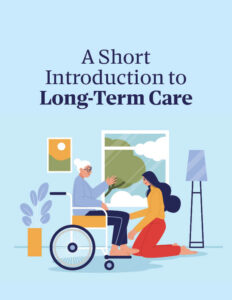
Long-term care insurance is generally intended to help pay for extended assistance with everyday activities such as bathing, dressing, eating, transferring, toileting, or dealing with cognitive impairment. Care may happen at home, in an assisted living setting, or in a nursing facility, depending on the policy.
Medicare may cover short-term skilled care under limited circumstances, but it does not typically pay for ongoing custodial care. That distinction matters. The need most retirees worry about is not a brief rehabilitation stay after surgery. It is a longer period of support that lasts months or years.
Who is most likely to benefit
If you are in your 50s or early 60s and still healthy enough to qualify, this is often the window when planning options are widest. Waiting too long can mean higher premiums, fewer choices, or disqualification due to health changes.
You may be a strong candidate if you fit several of these conditions. You have retirement assets you want to preserve. You want to protect a spouse from the financial strain of your care needs. You do not want your children to become caregivers by default. You expect to rely on your portfolio or other accumulated savings to support retirement income. And you value having more say over where and how care is provided.
The emotional side matters too. Some clients do not buy long-term care coverage because they expect a claim. They buy it because they want a plan in place before a family crisis forces rushed decisions.
When long-term care insurance may not be the best answer
There are also cases where the answer to do I need long term care insurance is probably no.
If premiums would strain your current budget or put pressure on other priorities, the policy may create more risk than it solves. Coverage is only useful if you can keep it. If paying for it means underfunding emergency reserves, retirement savings, or essential living expenses, it may not be the right move.
It may also be less compelling if you have substantial assets set aside specifically for health-related expenses and are comfortable using them. Some retirees prefer to self-fund because they want maximum control and do not want to pay premiums for a benefit they may never fully use.
There are family situations to consider as well. If one spouse is in poor health and unlikely to qualify, or if both spouses are already well into their 70s, traditional coverage may be harder to secure or less cost-effective. At that point, a different strategy may be more practical.
The cost question is real
The reason many people hesitate is simple: long-term care insurance can be expensive.
Premiums vary by age, health, benefit amount, inflation protection, waiting period, and policy design. A policy purchased at 55 will usually cost less than one purchased at 65. Stronger benefits cost more, but weaker coverage can leave major gaps. This is why shopping based on price alone rarely works well.
There is also the concern about future premium increases. Depending on the policy type, costs may not stay flat forever. That is one reason the planning conversation should focus on sustainability, not just initial affordability. A good strategy has to hold up over time.
Traditional policies vs. hybrid solutions
Not all long-term care planning looks the same.
Traditional long-term care insurance is built specifically for care expenses. It can provide meaningful leverage if you need care, but if you never use the benefit, there may be no payout. Some people are comfortable with that trade-off because the goal is protection, not return.
Hybrid solutions, often tied to life insurance or annuities, approach the problem differently. They may provide a death benefit or other value if long-term care is never needed, while still offering access to funds for qualifying care expenses. These products can appeal to people who dislike the use-it-or-lose-it nature of traditional coverage.
That said, hybrid policies are not automatically better. They may require a larger upfront commitment, and the structure can be more complex. The right fit depends on your cash flow, liquidity needs, health profile, and broader retirement plan.
The decision should connect to your overall retirement strategy
Long-term care is not an isolated insurance decision. It affects income planning, tax planning, asset protection, and what happens to a surviving spouse.
For example, if one spouse needs care for several years, the household may face higher expenses at the same time investment withdrawals increase. That can put strain on a portfolio, especially during poor market periods. If assets must be liquidated in taxable accounts or retirement accounts, taxes can rise as well. A care event can also change housing decisions, legacy goals, and how much flexibility remains in the plan.
This is why the best analysis is not, should I buy a policy in a vacuum? It is, what would a care event do to the rest of my retirement if I did nothing?
At Advocate Life Group, that kind of planning starts with the full picture, not a product pitch. The more clearly you understand your income sources, assets, risks, and family priorities, the easier it becomes to decide whether insurance belongs in the strategy.
Questions that help clarify the answer
If you are still weighing the issue, a few questions can sharpen the decision.
How would a multi-year care need affect your spouse’s financial security? Would paying out of pocket force you to change your lifestyle or reduce planned income? Do you have adult children nearby, and even if you do, do you want them responsible for hands-on care? Are your assets positioned to absorb a major health event without creating tax or liquidity problems? And if you delay the decision for a few years, are you comfortable with the risk that your health could limit your options?
None of these questions is meant to push you toward a yes. They are meant to replace guesswork with planning.
So, do I need long term care insurance?
Maybe, but not by default.
You may need it if a long-term care event would put your retirement income, spouse, or accumulated assets at risk. You may not need it if you have enough resources to self-fund comfortably or if premiums would weaken your plan more than the risk itself. In many cases, the right answer is not simply yes or no. It is choosing the most appropriate way to prepare.
The goal is not to predict exactly what your health care needs will be decades from now. The goal is to make sure one difficult chapter does not undo years of disciplined retirement planning.
A helpful next step is to look at long-term care the same way you look at income, taxes, and market risk: as a retirement variable that deserves a clear strategy before it becomes urgent.