
Retirement planning for couples is not simply two individual plans placed side by side. It is a shared strategy for turning a lifetime of savings into income, protecting the surviving spouse, managing taxes, and making room for the life you both want to live. The challenge is that spouses often bring different earnings histories, risk preferences, health considerations, and retirement timelines to the table.
A strong plan respects those differences while creating a coordinated path forward. The goal is not to make every financial decision identical. It is to make sure each decision supports the household you are building together.
Start With the Retirement You Both Envision
Many retirement plans begin with account balances and investment returns. Those matter, but a couple’s retirement should begin with a conversation about priorities. One spouse may picture travel and an active first decade of retirement. The other may be more focused on staying near family, reducing monthly obligations, or preserving assets for children and grandchildren.
Talk through when each of you wants to stop working, whether part-time work is appealing, where you expect to live, and what a comfortable monthly lifestyle will require. Be candid about concerns as well. If one partner worries about market losses and the other worries about inflation, both concerns belong in the plan.
This conversation is especially valuable when spouses are different ages. A five- or ten-year age gap can affect Social Security decisions, required distributions, Medicare timing, life insurance needs, and how long the household income must last. Retirement may span 25 to 30 years or more, so the plan needs to account for the longer life expectancy within the couple.
Build a Household Income Plan, Not Just an Investment Portfolio
Accumulating assets is one stage of planning. Converting those assets into dependable income is another. For many couples, the central retirement question is straightforward: What income will arrive each month, and can it continue when markets are unsettled?
Begin by separating essential expenses from discretionary spending. Essential expenses can include housing, utilities, food, insurance premiums, taxes, and health care. Discretionary expenses may include travel, hobbies, dining out, gifts, and home projects. This distinction helps determine how much of your baseline spending should be supported by reliable sources.
Social Security, pensions, and certain insurance-based income solutions can provide income that is less dependent on daily market performance. Investment accounts may then be positioned to support flexibility, growth potential, and larger future needs. The right balance depends on your assets, spending level, health, and comfort with investment risk.
A retirement income plan should also answer practical questions: Which account will provide income first? How much can be withdrawn without creating unnecessary tax pressure? What happens if one spouse lives well into their 90s? A portfolio statement alone cannot answer those questions.
Plan for the Survivor, Not Only the Couple Today
When two people retire, the household usually receives two Social Security checks and may have two pensions or retirement accounts. When one spouse dies, some income sources can decline while many expenses remain. Housing, property taxes, utilities, maintenance, and health care do not necessarily fall by half.
Survivor planning should examine the income that would remain for either spouse. It should also consider the tax impact of filing as a single taxpayer, which can push the surviving spouse into higher tax brackets at lower levels of income. This is one reason a coordinated income and tax strategy matters well before a loss occurs.
Life insurance may be appropriate in some situations, particularly when one spouse’s pension does not provide a sufficient survivor benefit, when there is a large age difference, or when the surviving spouse would face a meaningful income gap. The purpose is not to buy a product by default. It is to identify a risk and determine whether protection is warranted.
Coordinate Social Security Decisions
Social Security claiming is one of the most consequential retirement choices couples make. A decision that appears favorable for one spouse may reduce lifetime income or survivor protection for the household.
Generally, delaying benefits can increase the monthly payment for the person claiming, up to age 70. For a higher-earning spouse, delaying may be particularly valuable because the surviving spouse typically receives the larger of the two benefit amounts after a spouse dies. That said, waiting is not automatically best. Health, cash flow needs, employment plans, life expectancy, and other available income all matter.
Couples should evaluate claiming ages together rather than treating each benefit as an isolated choice. A coordinated analysis can show how different start dates affect income in the early retirement years, total projected benefits, and the surviving spouse’s future income.
Address Taxes Before They Become a Retirement Problem
Taxes can quietly shape how much of your retirement income you actually keep. Withdrawals from traditional IRAs and 401(k)s are generally taxable, and required minimum distributions can increase taxable income later in retirement. Social Security benefits may also become partially taxable depending on combined income.
For couples, tax planning is not just about reducing this year’s tax bill. It is about deciding when to draw from taxable, tax-deferred, and tax-free accounts in a way that supports lifetime income. In some cases, strategically converting a portion of traditional retirement savings to a Roth account before required distributions begin may create more flexibility later. It can also leave the surviving spouse with a more favorable pool of assets to access.
This decision has trade-offs. A conversion creates a tax bill now, so it should be evaluated in light of current income, future tax expectations, available cash to pay taxes, and the couple’s broader estate goals. A disciplined plan considers multiple years rather than reacting to a single tax season.
Prepare for Health Care and Long-Term Care Costs
Health care is often one of the largest and least predictable retirement expenses. Medicare is valuable coverage, but it does not pay for everything. Premiums, deductibles, prescriptions, dental care, vision care, hearing care, and out-of-pocket services can add up over time.
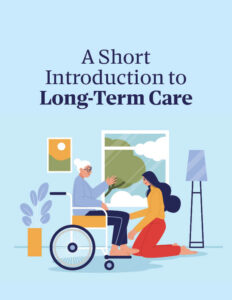
Long-term care deserves a separate conversation. One spouse may need assistance for years while the other remains healthy, creating both financial and caregiving strain. Planning may involve setting aside assets, evaluating long-term care insurance or hybrid life insurance options, or using a combination of strategies. There is no universal answer, but postponing the discussion can limit choices.
Couples should also maintain appropriate liquidity. Money intended for long-term investment growth should not be the only source available for an urgent home repair, health expense, or family need. A cash reserve can prevent the need to sell investments during a market downturn.
Put the Right Documents and Beneficiary Choices in Place
A carefully designed retirement plan can still be disrupted by outdated paperwork. Review beneficiary designations on retirement accounts, life insurance policies, annuities, and bank accounts. These designations often transfer assets directly and may override instructions in a will.
Both spouses should also have current estate planning documents, including a will, durable financial power of attorney, health care directive, and any trust documents that fit their circumstances. The person named to make medical or financial decisions should understand your wishes and know where documents are stored.
Review account ownership as well. Some arrangements make sense for convenience but can create unintended consequences involving control, taxes, creditor exposure, or heirs. An estate planning attorney and qualified tax professional can help coordinate these decisions with your retirement strategy.
Use a Process That Keeps Both Partners Engaged
One spouse often handles most household finances. That may work while both partners are healthy, but it can leave the other spouse unprepared if a health event or loss occurs. Each person should know the location of accounts, insurance policies, passwords, contact information, and key documents.
At Advocate Life Group, the planning process begins by understanding the complete financial picture, then applying disciplined strategies and communicating progress as circumstances change. For couples, that ongoing communication is essential. Retirement plans need periodic review when markets move, tax rules change, health needs evolve, or family priorities shift.
The best time to create alignment is before a decision becomes urgent. Set aside time to discuss what security means to each of you, then build a plan that protects both the retirement you hope to enjoy and the spouse who may someday need to carry it forward alone.